
Compartmentalization: The Mental Skill That Separates Good Athletes From Great Ones

Success in athletics isn’t just about how fast you run, how high you jump, or how far you throw. It’s also about your ability to manage your mind when everything around you isn’t going according to plan.
One of the most underrated skills an athlete can develop is compartmentalization — the ability to separate life’s challenges from the task that requires your attention in the present moment.
Because the reality is, life doesn’t stop just because you have a competition.
LIFE WILL NOT ALWAYS BE PERFECT
You’re struggling in a class. You have an assignment due, your grades aren’t where you want them to be, and you’re worried about your academic future.
But you still have to compete.
Your body is sore. Your legs feel heavy. You’re dealing with the normal aches and pains that come with months of demanding training.
But you still have to execute your event.
Maybe you’re having relationship problems, dealing with family issues, experiencing financial stress, or simply feeling mentally exhausted.
And yet, when it’s time to step on the track, enter the throwing circle, or approach the runway, there’s still a job to do.
Successful athletes understand that everything in their lives doesn’t have to be going right for them to perform well.
That’s where compartmentalization becomes powerful.
CONTROL WHAT GETS YOUR ATTENTION
Compartmentalization doesn’t mean pretending your problems don’t exist. It doesn’t mean ignoring your responsibilities, suppressing your emotions, or dismissing an injury that needs medical attention.
It means understanding that every problem has its appropriate time and place.
If you’re struggling academically, you need to study, communicate with your professors, and utilize your academic resources. But worrying about your chemistry grade while standing in the starting blocks isn’t going to help you pass chemistry.
It’s only going to distract you from executing your race.
If you’re experiencing normal training soreness, you need to be intentional about recovery, hydration, nutrition, and body maintenance. You also need to communicate concerning pain to your athletic trainer.
But constantly focusing on every minor discomfort during competition can prevent you from trusting the preparation you’ve already completed.
You have to learn to give the moment you’re in the attention it deserves.
YOUR FEELINGS CANNOT ALWAYS DICTATE YOUR PERFORMANCE
I tell athletes all the time that you aren’t always going to feel great.
Some days you’re going to be tired. Some days you’re going to be frustrated. Some days your confidence might not be where you’d like it to be.
If you only perform well when you’re feeling good, your success will always be inconsistent.
Elite performance requires the ability to execute regardless of your emotional state.
That doesn’t mean emotions aren’t important. It means developing the discipline to recognize how you’re feeling without allowing those feelings to control every decision you make.
You can be frustrated and still execute your race plan.
You can be nervous and still compete confidently.
You can be disappointed about something that happened earlier in the day and still be a great teammate.
You can have challenges outside of athletics and still produce a personal best.
Mental toughness isn’t the absence of adversity. It’s the ability to remain effective in the presence of adversity.
BE WHERE YOUR FEET ARE
One of the simplest ways to practice compartmentalization is to develop the habit of being fully present.
When you’re in class, be a student. Pay attention, take notes, ask questions, and handle your academic responsibilities.
When you’re at practice, be an athlete. Listen to your coach, execute your assignments, and focus on getting better.
When you’re recovering, be intentional about recovery.
And when you’re competing?
COMPETE.
Not halfway. Not distracted by everything that went wrong that week. Not mentally replaying yesterday’s problems.
Be completely invested in the opportunity in front of you.
Before competition, ask yourself three questions:
What can I control right now?
What does successful execution look like in this event?
What thoughts or distractions do I need to set aside until afterward?
You don’t need to solve every problem in your life before you can have a successful performance.
You need to understand which problems deserve your attention right now.
COMPARTMENTALIZATION IS A LIFE SKILL
The importance of this skill extends far beyond athletics.
In your professional career, you may have personal challenges while still being expected to meet deadlines, lead others, or make important decisions.
As a parent, you may be exhausted from work but still need to be emotionally present for your children.
As a leader, you may be dealing with criticism, disappointment, or challenges behind the scenes while still being responsible for setting the tone for everyone around you.
Life will continuously require you to manage competing responsibilities.
Learning to compartmentalize allows you to approach each responsibility with intention rather than allowing one difficult situation to negatively affect everything else.
BUILT DIFFERENT MEANS THINKING DIFFERENT
Everyone wants to win. Everyone wants a personal best. Everyone wants to celebrate the results of their hard work.
But what happens when the circumstances aren’t ideal?
Can you execute when you’re uncomfortable?
Can you focus when you’re distracted?
Can you trust your training when your confidence is being challenged?
Can you separate what happened earlier today from what you’re capable of accomplishing right now?
These are the moments when mental discipline matters most.
At Hicks Elite, we believe success is built through preparation, consistency, accountability, and the ability to respond to adversity.
The athletes who consistently perform at a high level aren’t necessarily the ones who have fewer problems. They’re often the ones who have developed the discipline to prevent those problems from controlling every area of their lives.
Your circumstances do not always have to determine your performance.
Handle your responsibilities. Take care of your body. Address your challenges. Ask for help when you need it.
But when it’s time to compete, give yourself permission to put everything else aside for a moment.
You’ve worked too hard to allow distractions to steal an opportunity you’ve spent months preparing for.
The problems will still be there after the competition. The opportunity to compete in that moment won’t.
Be present. Trust your preparation. Execute.
That’s the Built Different mindset.
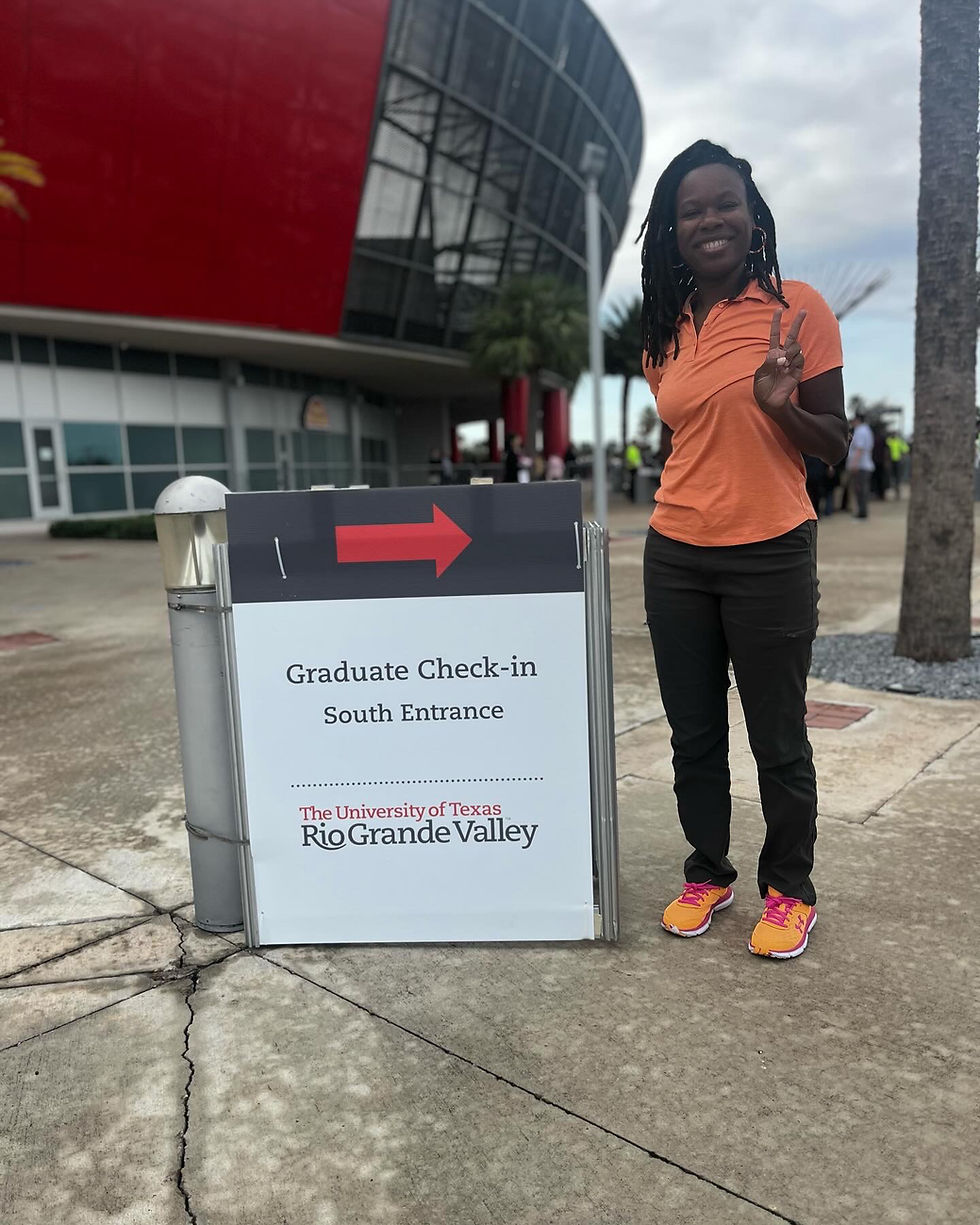
Shareese Woods Hicks is a former professional track and field athlete, World Championships bronze medalist, and Director of Track & Field/Cross Country at the University of Texas Rio Grande Valley. Through Hicks Elite Training Services, she shares insights on athletic development, mental preparation, leadership, and achieving success beyond sports.


Comments